
Posts
Spiders are our friends, but you don’t need a swarm of these pests crawling around your home.
Likely you are at this blog because of dealing with an infestation you are eager to get rid of.
Regular house spiders aren’t alone as invaders of your home – they also have a nearby cousin, giant house spiders.
Throughout the article, we’ll discuss issues such as the giant house spider in Oregon and Washington State and the difference between the house spider and the giant house spider. We’ll also answer the question, “are giant house spiders dangerous?” Finally, we’ll discuss what to do if you have signs of an infestation and when to call a professional pest control company like Pest Pros.
Giant House Spiders vs House Spiders: The Difference Between The Two
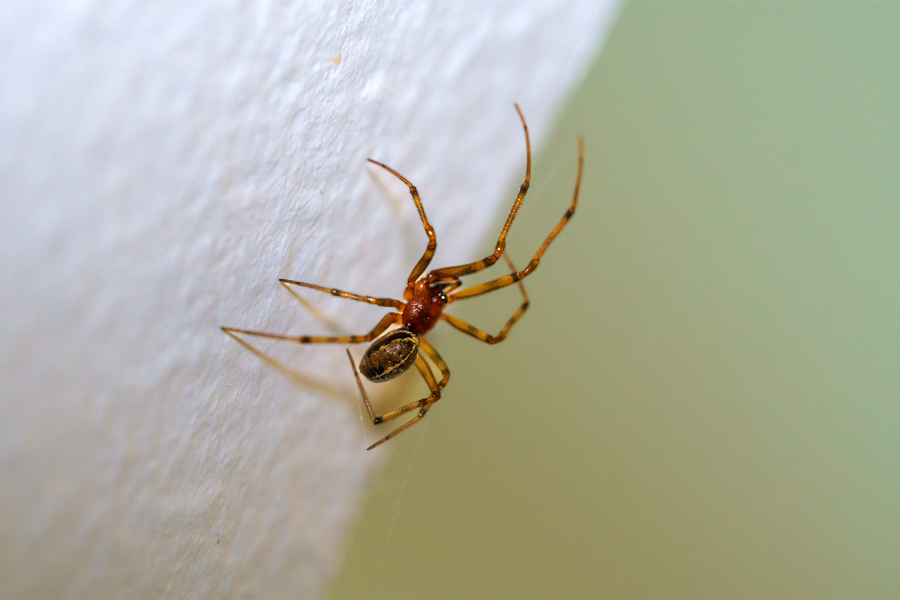
A regular house spider either sits inside its funnel-like web; it waits for prey to land, then emerges rapidly for a meal, or creates a sticky web cluster for similar results. You’ll find males in your home during the late summer because they’re looking for mating partners.
So what is a giant house spider?
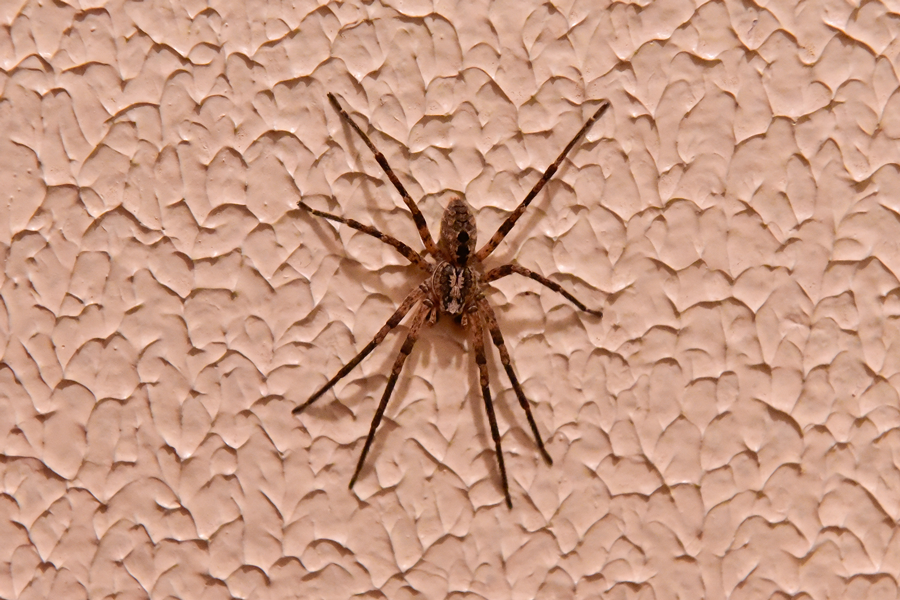
Giant house spiders are similar in almost every way to their regular-sized counterparts, including behaviors, but are a larger subspecies. They can grow up to 5-inches in leg span and 18mm in body length. Such long legs allow them to move at a 1.2 mph clip – making them one of the quicker spiders around.
Giant House Spider In Washington State
Since Washington State (e.g., the Seattle area) is moist, it’s rich in spiders, including the regular house spider and giant house spider. This also extends to the entire Puget Sound. You’ll find them typically in your basement or garage.
Giant House Spider In Oregon
Since Oregon has similar conditions to Washington State, you’re bound to find them in your basement and garage in the Portland area and Lake Oswego.
How To Identify A Giant House Spider
The giant house spider’s size is its deadest giveaway.
Adult males have a leg span extending to five inches, while females’ legs can reach two inches. And they’re so large they can fit in your palm.
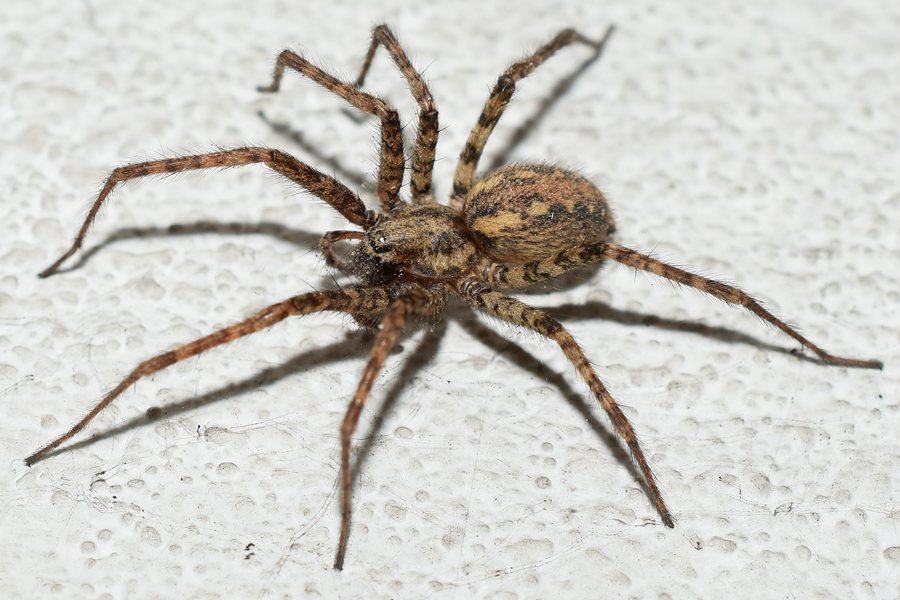
Color-wise, the giant house spider is primarily beige, brown, and dark orange. The abdomen of this enormous arthropod is gray, brown, and beige, and they don’t seem to have leg bandings.
You’ll see giant house spiders close to the floor since they aren’t the best climbers. However, they’re tenacious enough to reach cabinets and scurry up walls. They’ll also make their way into showers, tubs, cabinets, and dark basement corners.
Another infestation sign is when giant house spiders surround your flower beds, rock piles, logs, and other darkly lit sheltered sites.
Giant House Spider vs Hobo Spider
Hobo Spiders and giant house spiders are frequently confused with one another.
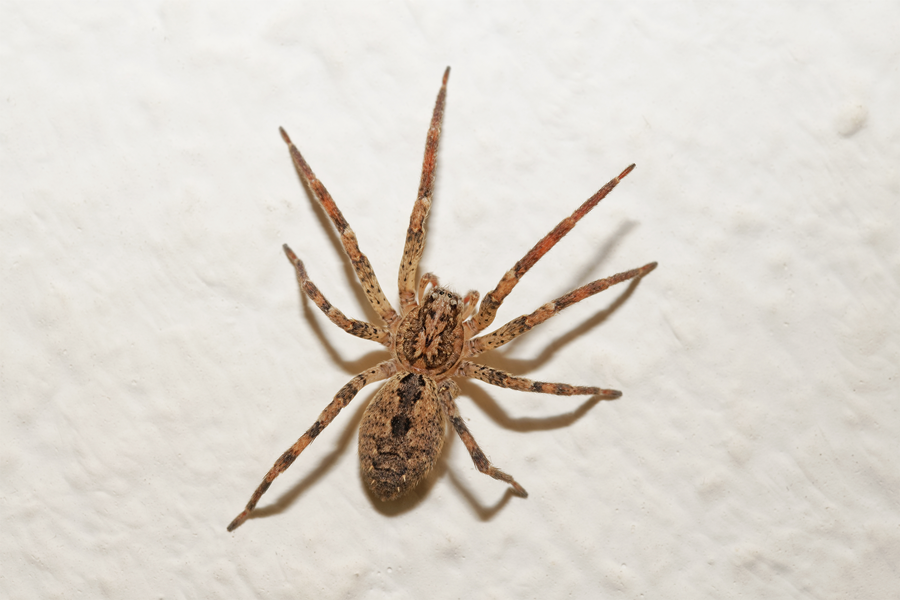
It’s tricky to differentiate the two spiders, but adult giant house spiders look alarmingly large, while adult hobo spiders are smaller in size.
Giant house spiders prevent hobo spider infestations because they out-compete them for habitat and prey. The giant house spider is known to kill male Hobo Spiders.
Are Giant House Spiders Dangerous?
No – giant house spiders aren’t dangerous.
There’s no need to panic if you see one. These large spiders don’t like to bite people since they can’t eat them. A giant house spider will only bite humans if they feel threatened and need to defend themselves.
While they are venomous, the venom only harms people with specific allergies.
In conclusion, this type of spider might appear menacing, but you aren’t under much threat in their presence.
Of course, just because giant house spiders won’t do you any direct harm doesn’t mean you want them crawling throughout your home.
Are Giant House Spiders A Threat To My Home?
The truth about most spiders, including giant house spiders, is that they don’t pose a catastrophic threat to your home.
Giant house spiders are ideal around the home, as they eat other pests like moths, cockroaches, mosquitoes, ants, fleas, and flies. Moreover, they help prevent hobo spider infestations.
Giant house spiders don’t leave their web during the day, focusing solely on trapping and devouring prey which makes them relatively undemanding houseguests.
However, this convenience factor wears thin when the giant house spider’s numbers start to grow. As helpful as they are, nobody wants pests scurrying around their home.
Factors such as clutter underneath areas such as chairs, furniture, beds, and couches attract giant house spiders. Similarly, an untidy kitchen attracts other pests, which lure in the giant house spiders because they seek other insect prey.
Long grass, trees, or flowers against the side of your home also attract giant house spiders. A 1.5 ft to 3 ft vegetation-free barrier is ideal but may be difficult to implement around certain homes. Additionally, these spiders love the inside of temperature-controlled homes because of the comfort offered.
Giant house spiders invade your home by hitching a ride in boxes or other belongings. They could also enter through gaps under doors and wall cracks while chasing prey, finding a mate, or just looking for better shelter.
If you’re seeing irregularly high numbers of giant house spiders in your home, you’ll need to call a professional pest control company to deal with the issue.
Every pest emergency is unique and requires a specialized approach to eradicate unwanted visitors for good. Contact our pest control professionals at Pest Pros to learn more about our expert pest extermination services in Washington.
How To Prevent Giant House Spiders:
- Keep your home as clean as possible. Reach every nook and cranny with cleaning products, a vacuum, and a duster. Wipe down counters, vacuum carpets, and mop hard surfaces to eliminate food particles.
- Switch off your outside lights, so attractive prey for giant house spiders are not drawn to your home.
- Remove the plants and vegetation from the side of your house so giant house spiders can’t hide in compost and wood piles.
- Receive frequent inspections from a professional pest control company. This way, you’ll have trusted experts to direct you on any corrective actions.
Receiving inspections from a company like Pest Pros keeps those numbers to where these spiders are a help and not a hindrance.
How To Get Rid Of Giant House Spiders:
- Use your vacuum and suck them up.
- Utilize a sticky trap.
- Remove your clutter and get rid of their homes.
- When needed, use insecticides sparingly.
- Purchase spider-catching glue traps.
Provided your home is infested with these eight-legged creatures, don’t try to fully DIY the issue.
Yes, some DIY measures might be helpful. However, not all are safe or good for the environment. Contacting a professional pest control company like Pest Pros will rid you of the problem promptly and permanently.
Contact A Professional Pest Control Company: Pest Pros
At Pest Pros, it’s our core mission to prevent any damage and future infestations from negatively impacting your living environment.
Our prompt, dedicated pest control technicians are committed to making your home feel like a home again and neutralizing any pest problem.
Get your life back to normal by calling or contacting us today for your free estimate. You can learn more on our website at www.gopestpros.blackfin.biz.
As winter sets in, we stay indoors to protect ourselves from the nasty winds and weather. Turns out, pests do the same thing — seeking refuge in a warm place, which is oftentimes your home. Although homeowners avoid consciously thinking about it during the holiday season, the reality is that winter–and the months leading up to winter–is an ideal time for pests to infiltrate your home. Pest Pros is here to provide you with options when it comes to setting a budget to prevent unexpected pest control costs and before you start to find signs of unwanted house guests.
Benefits of Professional Pest Control Services
The primary goal of pest control is to create a strategy that will help reduce the number of pests in the home to an acceptable level. An acceptable pest control situation is one that prevents and stops damage caused to the home itself. The overall goal of pest control is prevention, exclusion, and removal. Whether in-home pests are present in abundance or sporadically, take preventative measures to ensure your home’s safety and protection. Suppose pests already reside in the house with the proper treatment; in that case, the objective is to decrease the number of insects to an acceptable level. On the other hand, exclusion techniques are strategies implemented to keep the harmful pests entirely out of the home.
Benefits of Budgeting for Pest Control Services
Setting up a pest control budget allows professionals to care for your pest control needs while saving you, a homeowner, peace of mind knowing you are putting your best foot forward to care for your home and those inside of it.
Benefits:
- Prevents costly emergency treatments by addressing pest issues early.
- Protects your home’s value through regular maintenance and pest prevention.
- Allows for consistent, high-quality service from a trusted professional pest control company.
- Minimizes health risks by ensuring ongoing pest monitoring and control.
- Provides peace of mind knowing you’re financially prepared for routine and unexpected pest issues.
Similar to your typical home upkeep tasks, such as doing laundry, dishes, dusting, and mowing the lawn, regularly scheduled pest control also helps keep your home clean and prevents any issues from occurring.
How to Create a Pest Control Budget
Creating a pest control budget may seem daunting at first, but with a few practical steps, you can easily build a plan that protects your home and finances year-round.
1. Evaluate Your Home’s Needs
Start by assessing your home’s location, age, and pest history. Homes in wooded or humid areas, or with a history of infestations, may need more frequent treatments.
2. Research Local Pest Control Costs
Contact local pest control companies or search online for average pricing in your area. Ask about service plans, seasonal pricing, and what each treatment includes so you can compare value as well as cost.
3. Choose a Service Frequency
Learn about what type of service frequency your trusted pest control company recommends based on your unique home and needs. Decide whether you’ll need monthly, bi-monthly, or quarterly visits. Preventive services for a home with little pest activity often cost less than those that face a major pest infestation.
4. Account for Emergency Treatments
Build a small buffer into your budget for unexpected pest problems, like a wasp nest or rodent intrusion. Even an extra $10–20/month can add up to a helpful emergency fund.
5. Track and Adjust Over Time
Review your pest control spending yearly. If your needs change—maybe you had fewer pest issues than expected—you can adjust your budget and services accordingly.
Factors Affecting Pest Control Costs
Unfortunately, pest management is not a one-size-fits-all solution. There are numerous factors associated with an exterminator’s cost. The price is usually determined by:
- Size of infestation: If the issue extends beyond one area.
- Service type: If given options to combat the problem, some may cost more than others.
- Property size: Control and prevention tactics usually center around an area or the perimeter of the home. Pest control cost per square foot may increase depending on the property size.
- Frequency: If the treatment plan calls for pest control visits every other month, the fee per session will be less than an individual session. Pest Pros offers a recurring payment schedule for every other month visits and one-time payment fees for one-time visits.
The last factor determining pest control cost is the type of pests, such as spiders, ants, wasps, hornets, flies, or rodents, that you’re dealing with, as some pests are more difficult to eradicate than others. Although you may have an idea of the initial measures to take, an exterminator will conduct a thorough inspection and quickly determine what exactly you’re up against.
Typical pest infestation solutions can usually start as low as $425 (plus tax) for the first visit and then $130 (plus tax) every other month to maintain a pest guarantee. Home construction and pest infestation levels vary, and custom quotes can be provided on-site or by phone. Some pest services, such as for Wasps, may start as low as $250 (plus tax). For the most accurate pricing for your pest infestation, contact Pest Pros.
Here is a typical pest control price list:
Some pest control plans may be bundled.
| Pest Type | Average Starting Fee | On-Going Service Fee |
| Insect & Rodent | $425 | $130 |
| Insect Only | $425 | $110 |
| Rodent Only | $425 | $110 |
How Often Should I Receive Pest Control Services?
The number of pest control visits you should anticipate budgeting for in a given year depends on the presence and severity of pests around your home.
Monthly – Pest Management services every month typically start at $100 (plus tax). This frequency best serves commercial facilities, apartment complexes, condos, and multifamily dwellings. Pest pressure for these locations is much higher than a typical residential setting and demands a greater frequency of inspections to prevent large pest outbreaks. At times, this frequency is necessary for residential single-family homes for some time to bring a large pest infestation under control, and is then scaled back to every other month.
Every Other Month – Pest Management services on an every other month basis can range between $120-$140 (plus tax) for most residential single-family homes. This frequency allows for adequate visits to keep pests under control and remain budget-friendly. If pests come back between services, then so do we, at no additional charge.
Scheduling ongoing pest management services is a great option for homeowners desiring to prevent unwanted guests and create a fixed budget without fear of unexpected costs. Hiring a pest management professional protects your family and pets from misapplication of pesticides and reduces overall dependence and overuse of pesticides. This is nearly impossible to achieve when attempting control with over-the-counter products without adequate training and specialized knowledge. By and large, a homeowner would expect to spend about $570 to $630 per year to maintain pest protection. A small price to pay for a large peace of mind.
Contact Pest Pros for a No-Cost Estimate
Allowing professionals to take care of your unwanted pests allows you more time to enjoy yourself with your loved ones. Although the DIY option may seem enticing, it can potentially cause damage to your home and your health. Trained technicians can carefully use controlled pesticides, knowing the proper placement to ensure harmful toxin exposure doesn’t affect you and your loved ones. Lastly, a professional pest exterminator can direct you to the places where these pests live in your home and help you create a game plan to close those entry points and prevent new ones.
Pest Pros understands and wants to be your partner in protecting the investment you made in your home. We serve our community by offering a no-cost pricing estimate. We simply deliver what we say we will; that’s our guarantee. As winter sets in, we stay indoors to protect ourselves from the nasty winds and weather. Turns out, pests do the same thing — seeking refuge in a warm place, which is oftentimes your home. Although homeowners avoid consciously thinking about it during the holiday season, the reality is that winter is an ideal time for pests to infiltrate your home. Pest Pros is here to provide you with options when it comes to setting a budget to prevent unexpected pest control costs and before you start to find signs of unwanted house guests.
Pest Pros Free Estimate
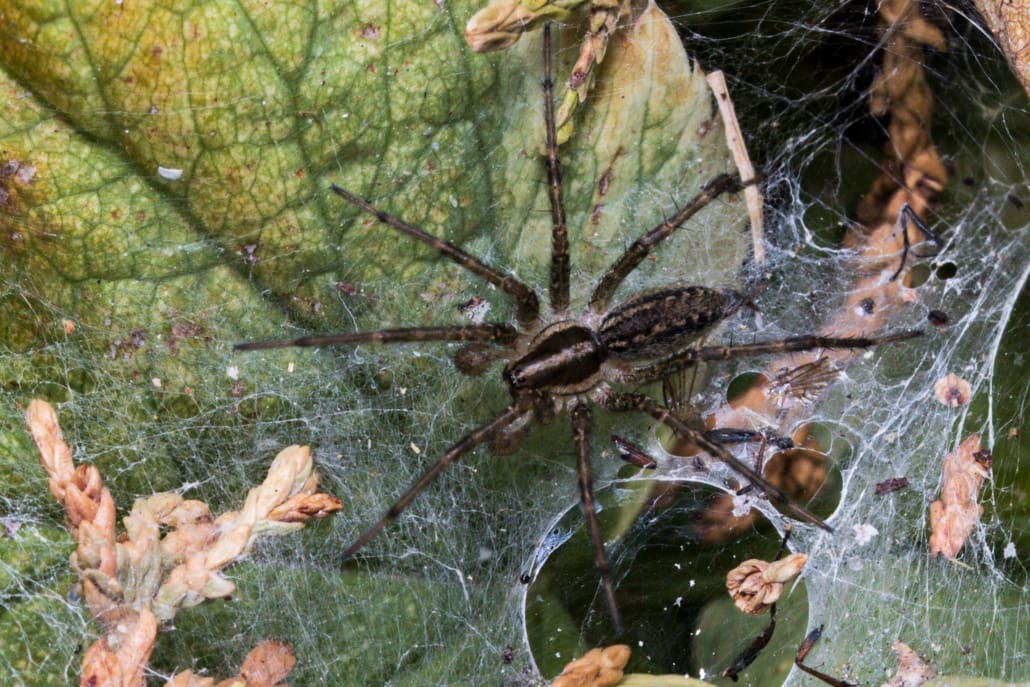
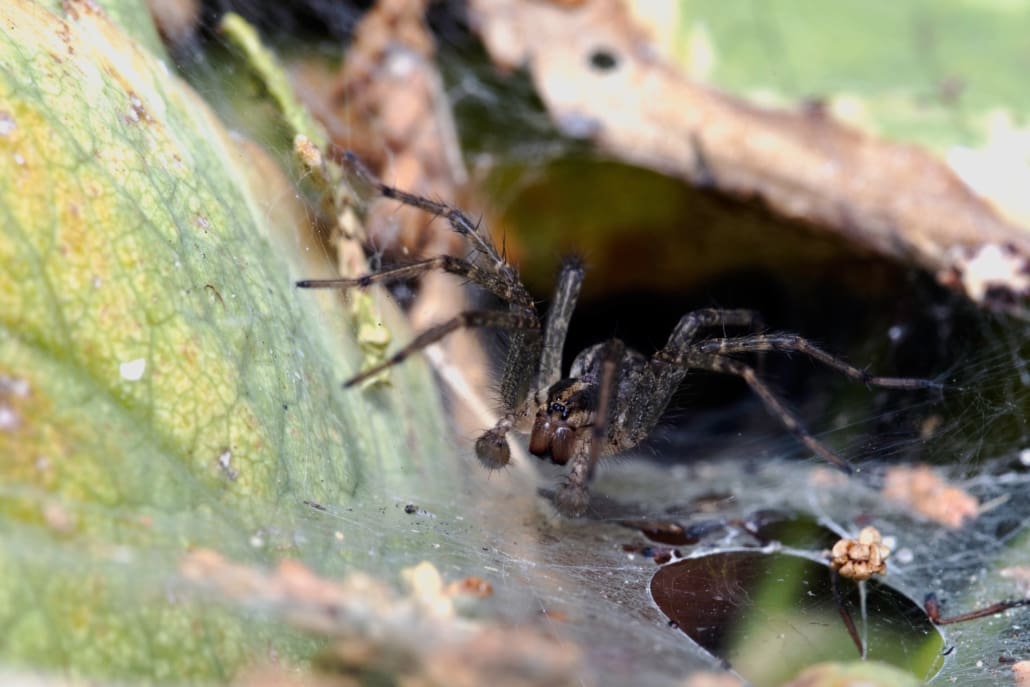
If you live in Washington state, you most likely have a story about being confronted with a big, hairy wolf spider in your home or backyard. Unfortunately, wolf spiders are a common intruder in Pacific Northwestern homes. You might be wondering where these unwelcome house guests come from, and what can be done to keep them outdoors. As temperatures cool down and autumn weather rolls in, wolf spiders in Washington begin to leave the comfort of their grassy habitats to seek cover in the unsecured crevices of your home. Once they infiltrate your residence, they are known to hide among the clutter of your living space, only making themselves known when you unsuspectingly move a box or appliance.
While they may look as intimidating as their namesake would suggest, the good news is that wolf spiders are mostly harmless to your family. Here is everything that you need to know about how to get rid of wolf spiders in your house, as explained by the experts at Pest Pros.
Wolf Spider Identification
How do you know if the creepy crawly that has made itself at home is a wolf spider? Here are a few things to watch out for:
- Eye Orientation – Like all spiders, these pests have 8 eyes and 8 long, hairy legs. However, unlike most spiders, wolf spiders have their eyes arranged in 3 rows to better hunt their insect prey. The same sharp vision that they use to find entry points into your home is used to ambush their unsuspecting victims.
- Speed – If you’ve stumbled upon a wolf spider in your home, you may have noticed that they scurry away very quickly and are difficult to catch up with and trap. This is because wolf spiders do not create webs to trap their prey, opting to instead use their long and quick legs to pounce onto smaller bugs before they even realize that the spider is there!
- Size – While these pests can be found on both coasts of the United States, the size of wolf spiders in Washington can range anywhere from 1 to 4 inches in length. In other areas of the west coast, they can even grow to be a bit longer than 4 inches including their legs. They tend to be more scaled down in size on the east coast.
- Eggs on Abdomen – The most distinct feature that sets wolf spiders apart from other arachnids is the fact that mother spiders carry their babies on their abdomen, making wolf spider extermination to be a tricky task to undertake without potentially making the problem even worse.
Are Wolf Spiders Dangerous?
Unlike the more poisonous brown recluse spider, wolf spiders tend to loiter in less secluded and more easily accessible areas of the home. Even so, they tend to be quite shy and avoid humans as much as they can. The main goal of the wolf spider during this time of year is to stay warm and away from the frigid autumn weather, and they do not like to be disturbed. Because of this, they do not often bite unless they have been thoroughly disturbed and are distressed.
While being bitten by a wolf spider is unlikely, it is still something that can happen. When these spiders do bite, their fangs inject a mild venom that is non-lethal to humans. Their bites are powerful enough to kill their prey, but do not have much of an effect on us; on average, we are 500 times larger than the size of a wolf spider’s typical prey. The most common reaction that humans have to a wolf spider bite is swelling and potentially a mild fever. This is not unlike the symptoms of being stung by a wasp.
While wolf spiders are not fatally poisonous to humans, they are still an unpleasant uninvited house guest that can live for about a year.
How to Get Rid of Wolf Spiders
If a wolf spider has already found its way into your home, the best way to avoid accidentally releasing the hundreds of spider hatchlings that female wolf spiders ferry around is to trap your new uninvited house guest. The worst thing that you can do is allow your arachnophobia to take over and attempt to squish the spider in a panic; this is to be avoided at all costs! Unless you are looking for a few hundred new 8-legged pets, it is best to find a container to put over the spider to escort it out of your home.
The best way to exterminate a wolf spider is to find a way to keep them out of your home in the first place. There are various ways that this can be done by creating physical barriers that disallow entry:
- Add weather stripping to seal the entryways of your home’s windows and doors.
- Caulk the cracks and holes that expose your inner and outer walls to the outside.
- Repair any openings that you find immediately; it won’t take wolf spiders very long to find them once they start looking!
- Clear all clutter inside of your home where they can comfortably hide. Wolf spiders love their privacy and will take up residence in clutter!
- Clear debris outside of your home where they can camp out while waiting for an opportunity to slip in. This includes removing mulch and tall vegetation from around your home’s foundation.
Since wolf spiders prey on insects, another great way to discourage them from sticking around is to reduce the number of small bugs that will be attracted to your residence. This can be done by dimming the lights on the exterior of your home to avoid attracting the small flying insects that they love to snack on. If you have a problem with small bugs infesting your home, solving this first might help solve your wolf spider dilemma as well.
Your local licensed pest control professionals will be able to offer the best solution to your infestation.
Call Pest Pros for Wolf Spider Extermination
Every pest emergency is unique and requires a specialized approach to eradicate unwanted visitors for good. Contact our pest control professionals at Pest Pros to learn more about our expert pest extermination services in Washington.
